Separate air and water circuits
Two-fluid atomization requires both water and compressed air. The utilities, supply pressure and nozzle demand must be matched when planning the main unit and branch circuits.
A distributed misting approach for dust-generating points in enclosed or semi-enclosed industrial spaces. Layout and operating conditions are assessed for the process and material.
Equipment images show configuration examples. Final specifications and price are agreed for each order.
Compressed air and water meet inside a two-fluid nozzle, where the air breaks the water into fine droplets. Nozzles are placed close to transfer points or other dust sources, so treatment can be concentrated around the material-handling process.
Two-fluid atomization requires both water and compressed air. The utilities, supply pressure and nozzle demand must be matched when planning the main unit and branch circuits.
Typical positions in the factory literature include conveyor transfer points, feed openings, crushing areas and enclosed stockyards. Nozzle placement follows where dust is released, with access left for inspection.
The materials describe PLC control and dust, temperature or humidity sensors. Process-linked start and stop can be specified so selected zones operate with the relevant handling activity.
The following options are discussed during selection. Availability and the scope of supply are confirmed in the technical proposal.
| Reference technology | Two-fluid atomization in manufacturer literature |
|---|---|
| Reference droplet size | 1–10 μm; for selection discussion, not a site-performance guarantee |
| Layout | Dust-source positions, utilities and material requirements assessed for each project |
| Dimensions and materials | Defined by the installation and operating requirements |
| Price | Quoted against the confirmed configuration |
Figures describe reference configurations, not fixed specifications or guaranteed site performance. Actual results depend on configuration, water, wind, material and operating conditions. The agreed technical proposal takes precedence.
It still uses water. Moisture-sensitive materials require a project-specific assessment of nozzle layout, spray quantity and operation. Do not treat the product name as a guarantee of zero moisture.
Pricing follows the equipment configuration, materials, controls and scope of supply. Send the project details so the factory can prepare an appropriate proposal and quotation.
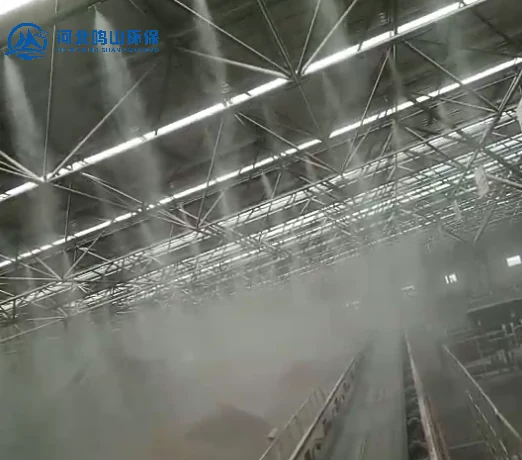
Misting arranged around the workspace
Industrial workshops · enclosed stockyards
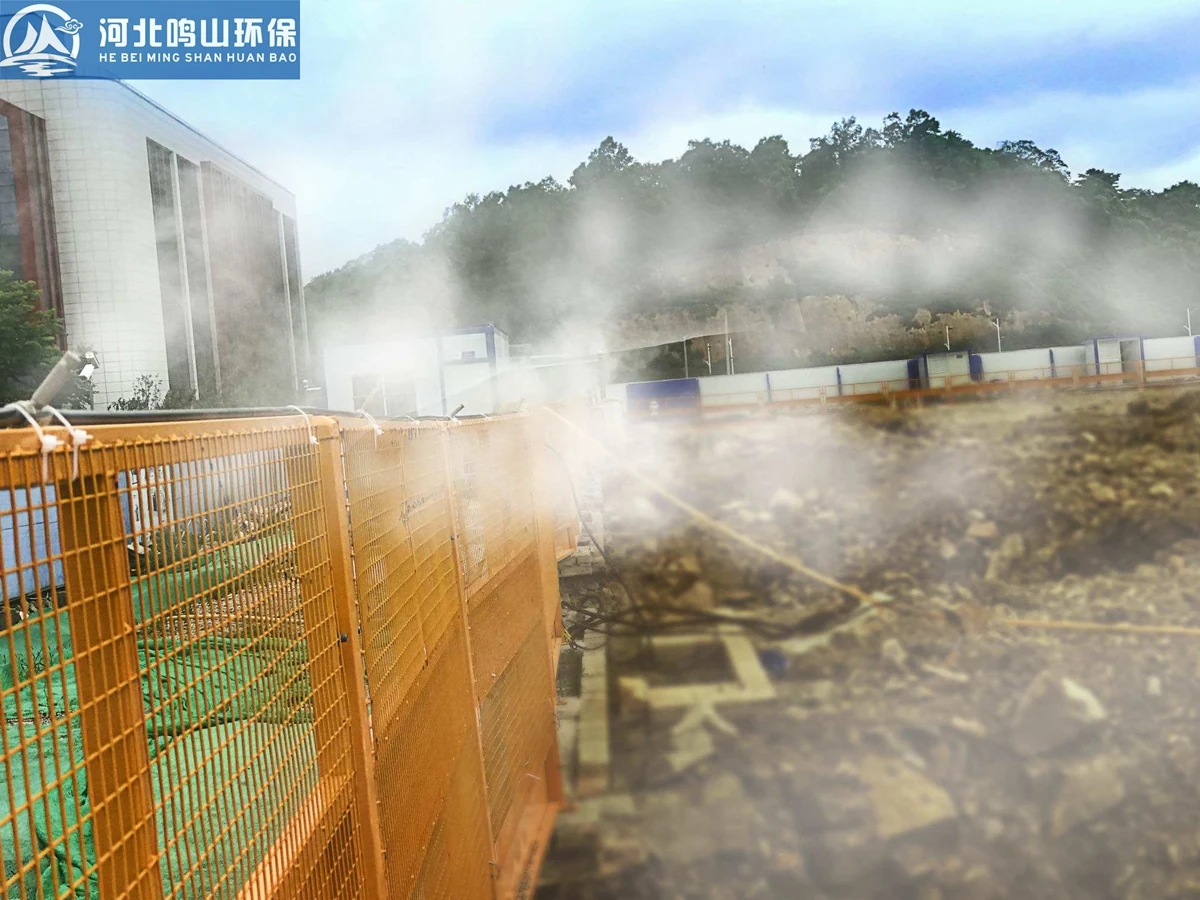
Site-specific pipe and nozzle layouts
Construction boundaries · site dust control
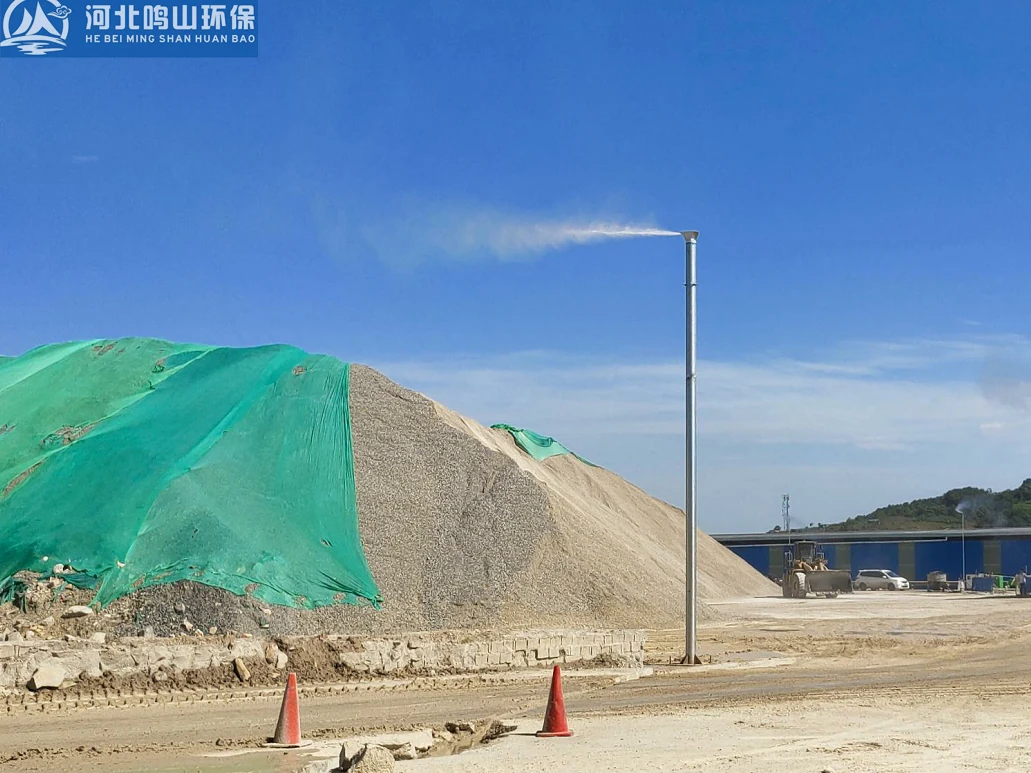
Elevated spraying for site coverage
Yards · site boundaries · internal roads
Send your site layout, material details and operating requirements to our team.